Mobile Seed Cleaning Tours: 2026 Highlights

Posted on Tuesday, 17 November 2026 under Stories Featured

This fall, FarmFolk CityFolk’s mobile seed cleaning trailers hit the road for another season of seed cleaning, learning, and community connections across BC.

With more than 30 stops across three tours, our seed team travelled through Northern BC, the Interior and Lower Mainland, and Vancouver Island and the Gulf Islands. Along the way, we visited farms, community gardens, seed libraries, farmers’ markets, and Indigenous-led food sovereignty initiatives, helping growers clean locally grown seeds and prepare them for future growing seasons.

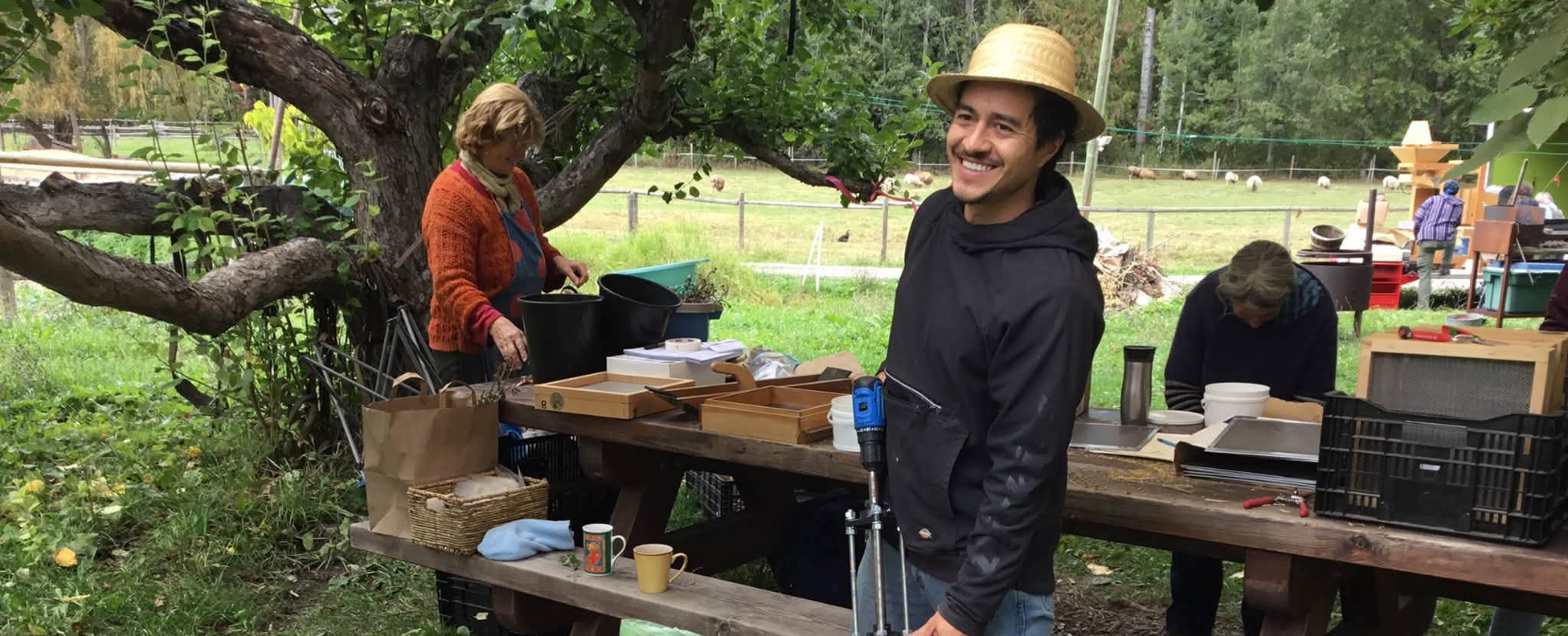
But these tours are about more than cleaning seeds. They bring people together to share knowledge, learn new skills, and strengthen local seed networks. From experienced seed growers to students cleaning seeds for the first time, every stop offered an opportunity to learn from one another and celebrate the diversity of seeds being grown and saved across the province.
Northern BC

It’s always exciting to see the diversity of seeds being grown and saved throughout the province. Every lot tells a story about the people growing it, the places it comes from, and the possibilities for future seasons.

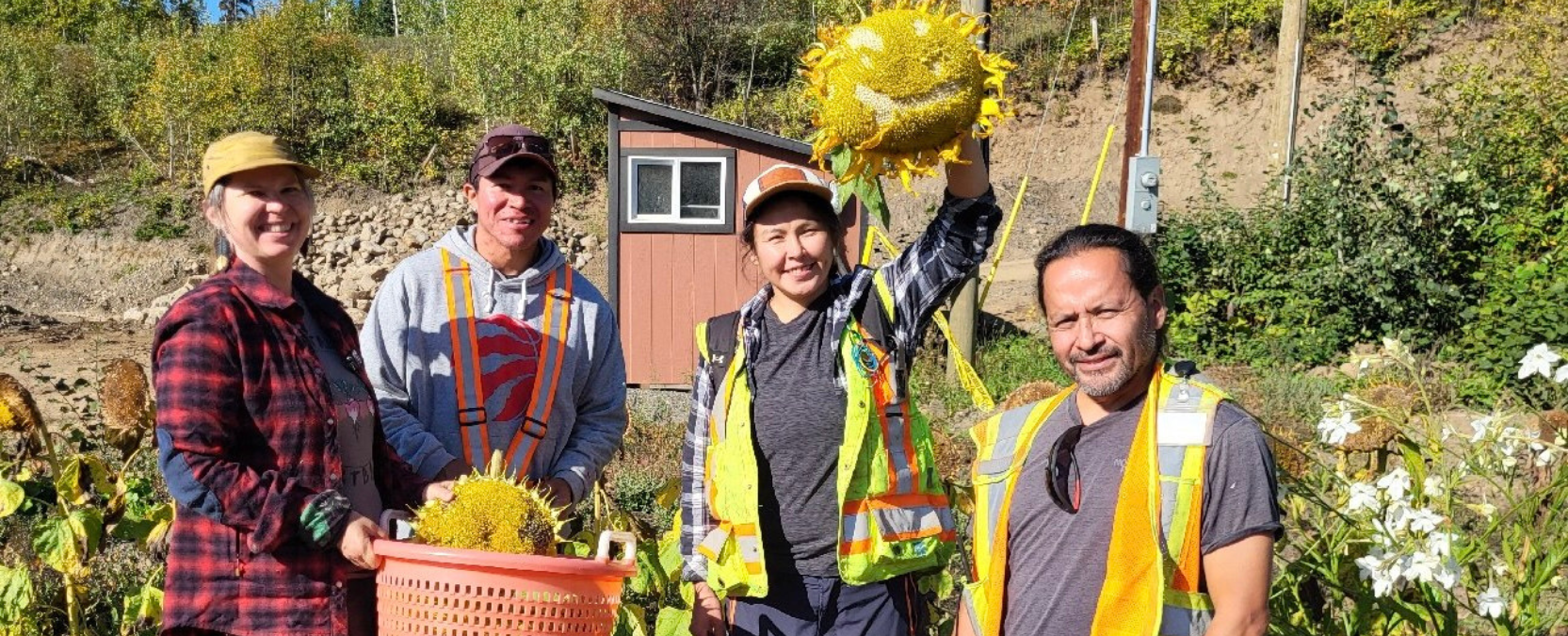
Our northern tour began on Gitx’san territory at an inspiring stop: Tea Creek, an Indigenous-led, culturally safe, land-based food sovereignty and trades training initiative.
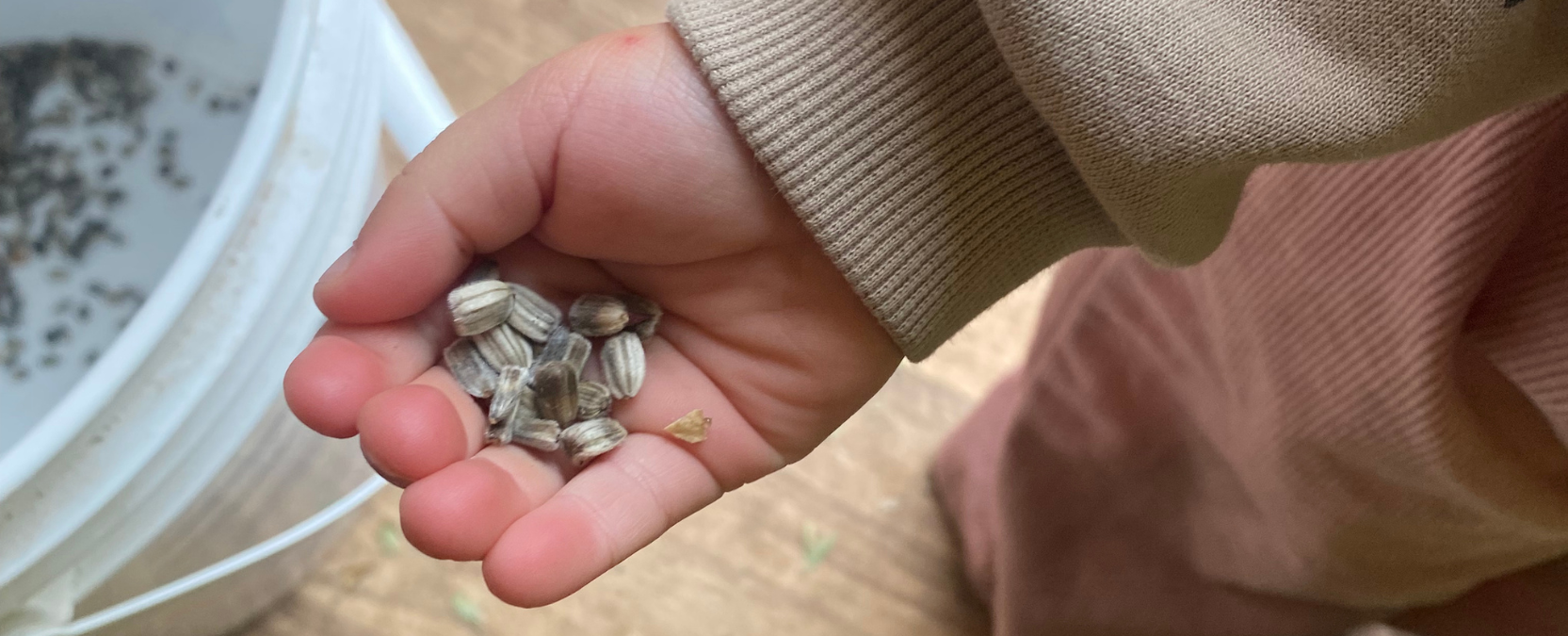
We spent time with Indigenous food systems leaders harvesting and cleaning seeds, sharing stories, and exchanging ideas. There was plenty of laughter along the way, including a little sunflower art-making! Together, we helped ensure there would be many more sunflower seeds to share with the community next year.

From there, we continued to Tsimshian territory, visiting farms and community growing spaces in and around Terrace. At Elysium Lake Farm, on the banks of Lakelse Lake, we learned about their seed saving projects and got to work processing seeds.

We also visited the KSAN Society Community Garden, cleaning seeds alongside garden volunteers and friends. A highlight was reconnecting with Anna Silva and Dakota Williams, participants in our mentorship program who are doing great work in their communities.

At the Skeena Valley Farmers’ Market, we helped Farmer Cam clean a lovely lot of Pembina wheat. This seed has a full-circle story: it originally came from the BC Eco Seed Co-op and was grown at WoodGrain Farm, our Northern Seed Hub.

One of the things we love about seeds is how these connections come full circle. Seeds travel through communities, connecting growers, places, and generations of knowledge.

Before leaving the region, we made a special trip to Kasiks, nestled in the rainforest of the Skeena River and North Coast. We spent time on the land and supported the Kitsumkalum Agriculture Coordinator in processing several lots of seed, including beautiful sage to be shared with the community.

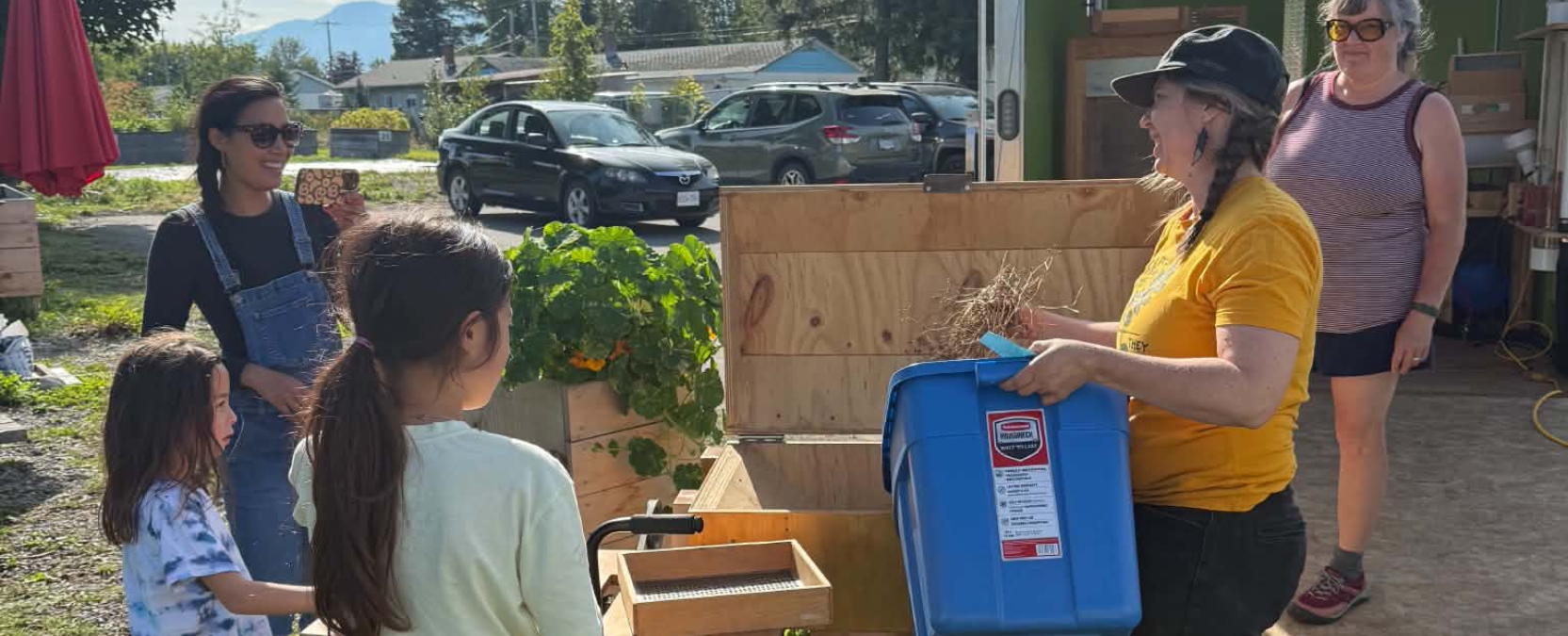
Our travels also brought us to the Hazelton Farmers’ Market, where some of the youngest participants of the tour joined in the seed cleaning!

The second leg of our northern tour began at Fraser Lake Public Library, where students from Fraser Lake Elementary Secondary School joined us to clean mustard, calendula, and tobacco seeds.

On Saik’uz traditional territory, we joined the Nechako Valley Food Network at the local community garden. Maya and a neighbouring homesteader brought an assortment of seeds, keeping the cleaner busy with peas, beans, hollyhocks, and more.

Just down the road, we visited Hanuyeh Gardens & Greenhouses, where we were so busy cleaning tobacco and lambsquarters, and talking about plants, that we forgot to take photos of the beautiful gardens and landscape!

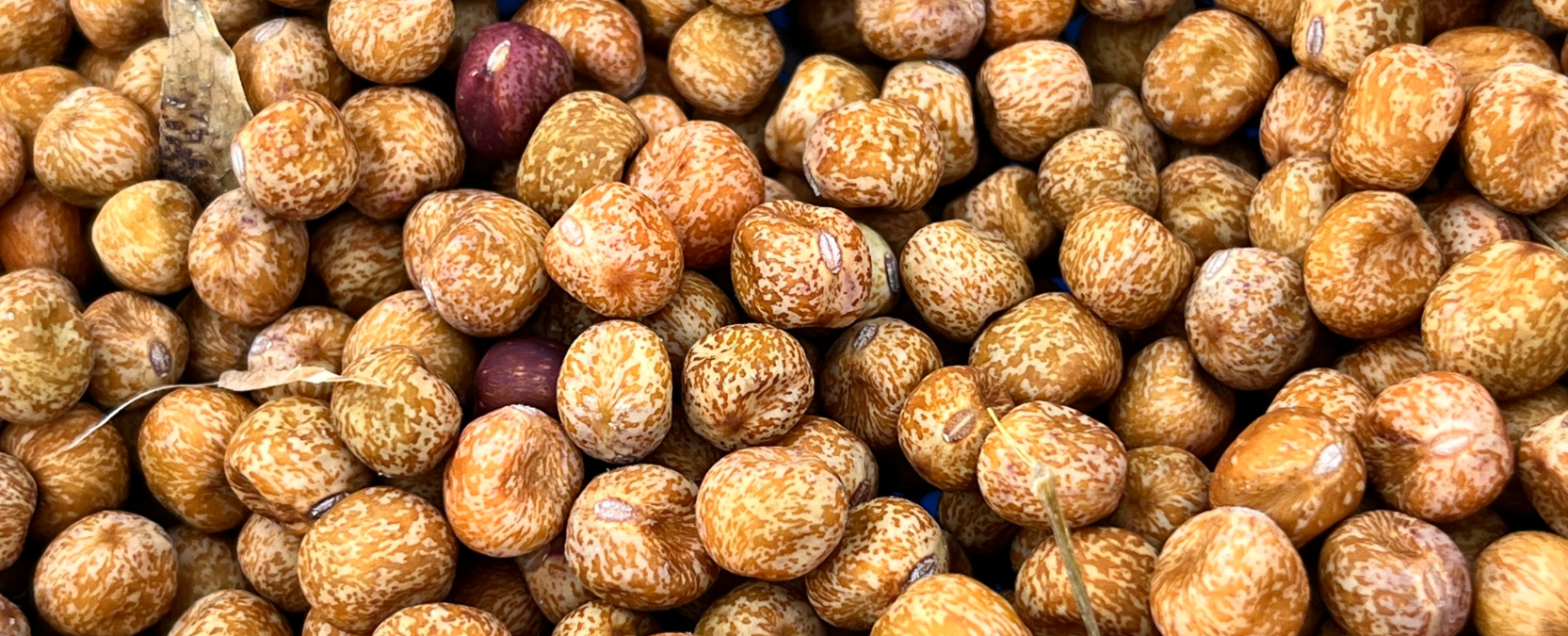
One of our favourite seeds to come through the trailer this year was Carlan, a beautiful soup pea brought by a grower at our Three Seeds Farm stop. We also cleaned colourful beans, favas, cosmos, perennial flax, marigolds, asters, fireweed, and many more varieties.

Interior and Lower Mainland

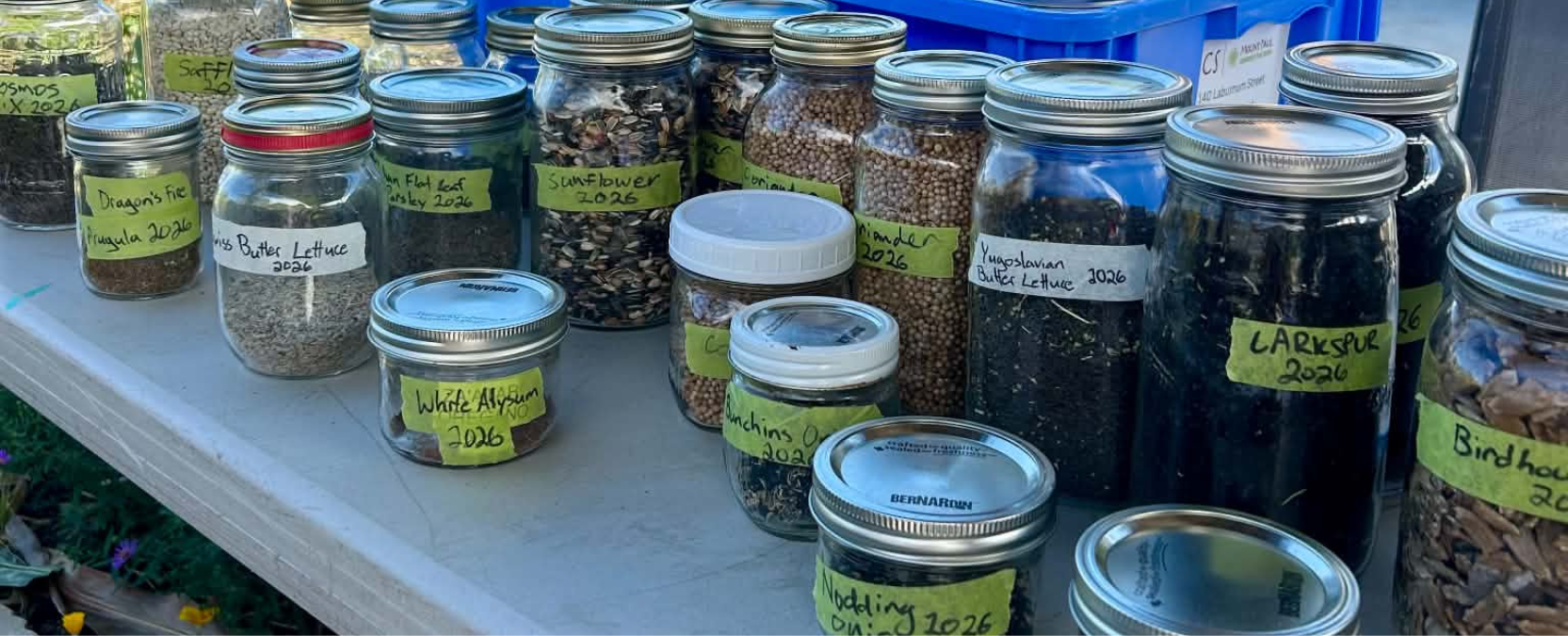
Our Interior tour began in Kamloops at the Mount Paul Community Food Centre, where volunteers helped clean more than 20 varieties of seeds grown in the centre’s own seed garden. It was great to see so many people involved in growing, harvesting, and saving seeds together.

In Grindrod, we joined the Shuswap Seed Savers at Greencroft Gardens for two busy days of seed cleaning. Farmers and gardeners brought everything from flowers and oats to onions, shallots, beans, and brassicas.

One of the highlights was hearing that participants were planning to build their own seed cleaning equipment using our DIY designs, including the air separator. The group had already built a bicycle thresher based on equipment we brought to their community two years ago!

This is an important part of the tours. Beyond helping communities clean their seeds, we want to share practical knowledge and introduce equipment that growers and seed saving groups can use long after the trailers have moved on.

In Revelstoke, we visited the Food Commons, a project of the Revelstoke Local Food Initiative in partnership with the Indigenous Friendship Society of Revelstoke. The garden is located on the lands of the Sinixt Nation, Syilx Okanagan Nation, Ktunaxa Nation, and Secwepemc Nation.

The group is in the early stages of developing a food and seed garden, with plans to establish a seed library. Although there was less seed cleaning at this stop, we had some great conversations about seed stewardship and the equipment that could support their growing seed program.

Before heading back to the Lower Mainland, we stopped at Hummingbird Farm to help clean two years’ worth of flower seeds, which are sold through the BC Eco Seed Co-op.

At UBC Farm, we worked alongside participants in the UBC Farm Practicum Program to clean a wide variety of seeds. We had been working with the group since spring on bok choy and other seed growing projects, so this was a great hands-on way to wrap up the season

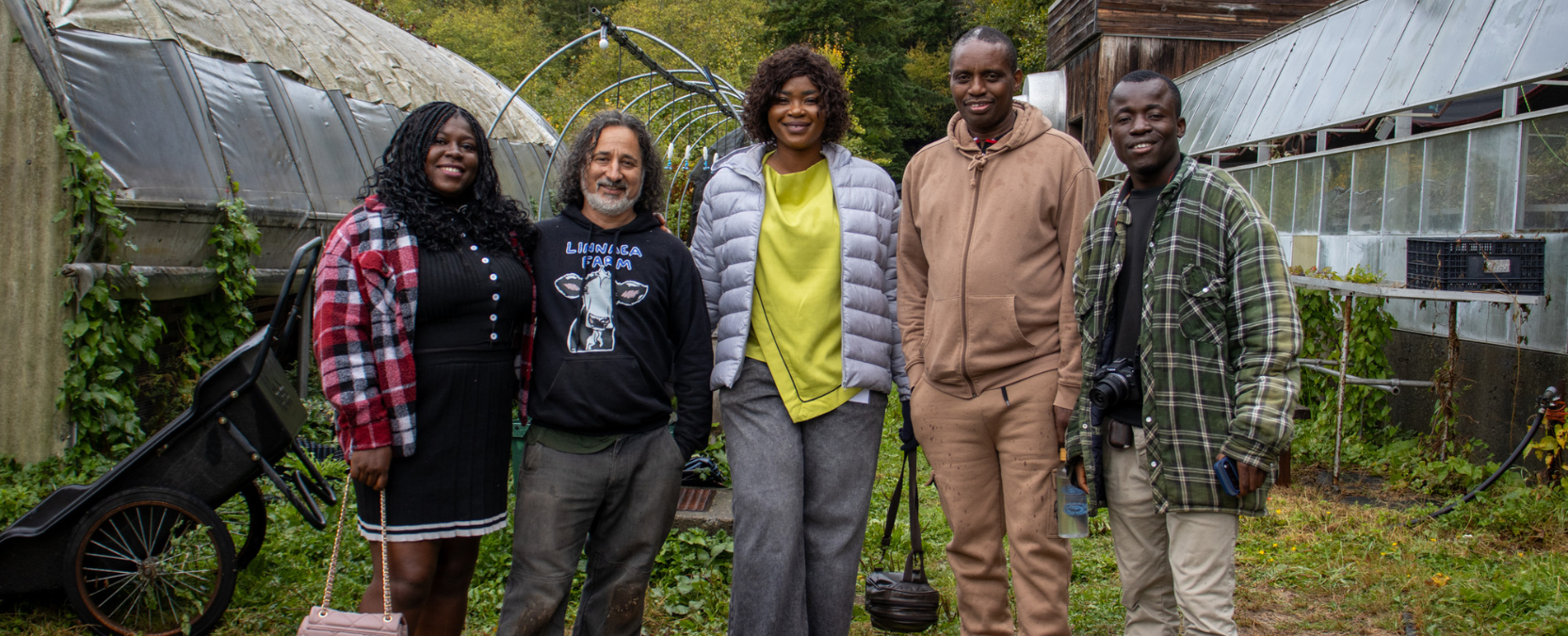
We were also happy to welcome farmers from River and Sea Farms in Ladner, who brought buckets of flower seeds, and members of the African Canadian Farmers Society, who joined us to learn about seed cleaning.

Vancouver Island and Gulf Islands

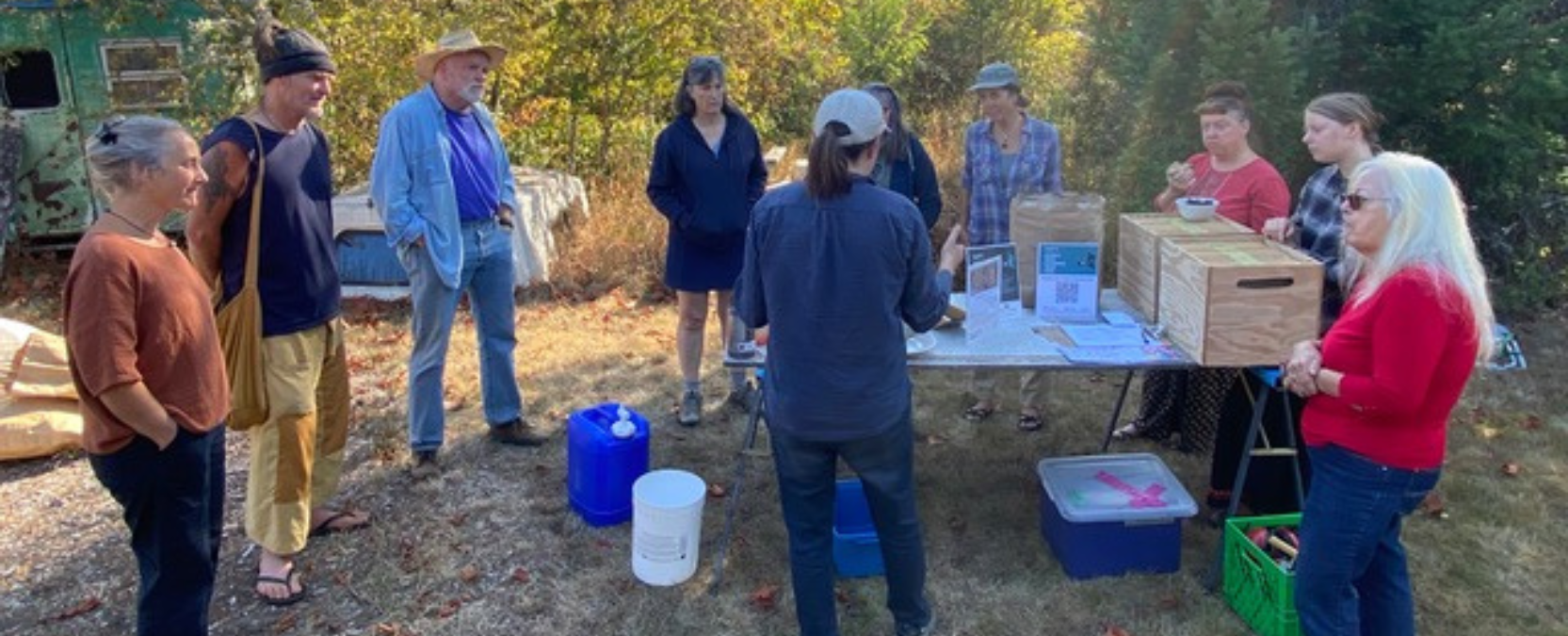
Our Islands tour kicked off on September 19 at Mayne Island, where 44 Farm and the Mayne Island Seed Library welcomed us for a day of seed cleaning and conversation. We gathered to talk about seed security before getting to work cleaning vegetable seeds, including the challenging task of threshing radishes!

The following day, we travelled to Pender Island for more seed cleaning and seed saving discussions. We demonstrated wet seed saving techniques, and Karin shared her knowledge before everyone got to work using screens and machines to clean dry seeds.

After cleaning some large seed lots for farmers in Metchosin, we headed to Denman Island for a community seed cleaning celebration with North Island College.

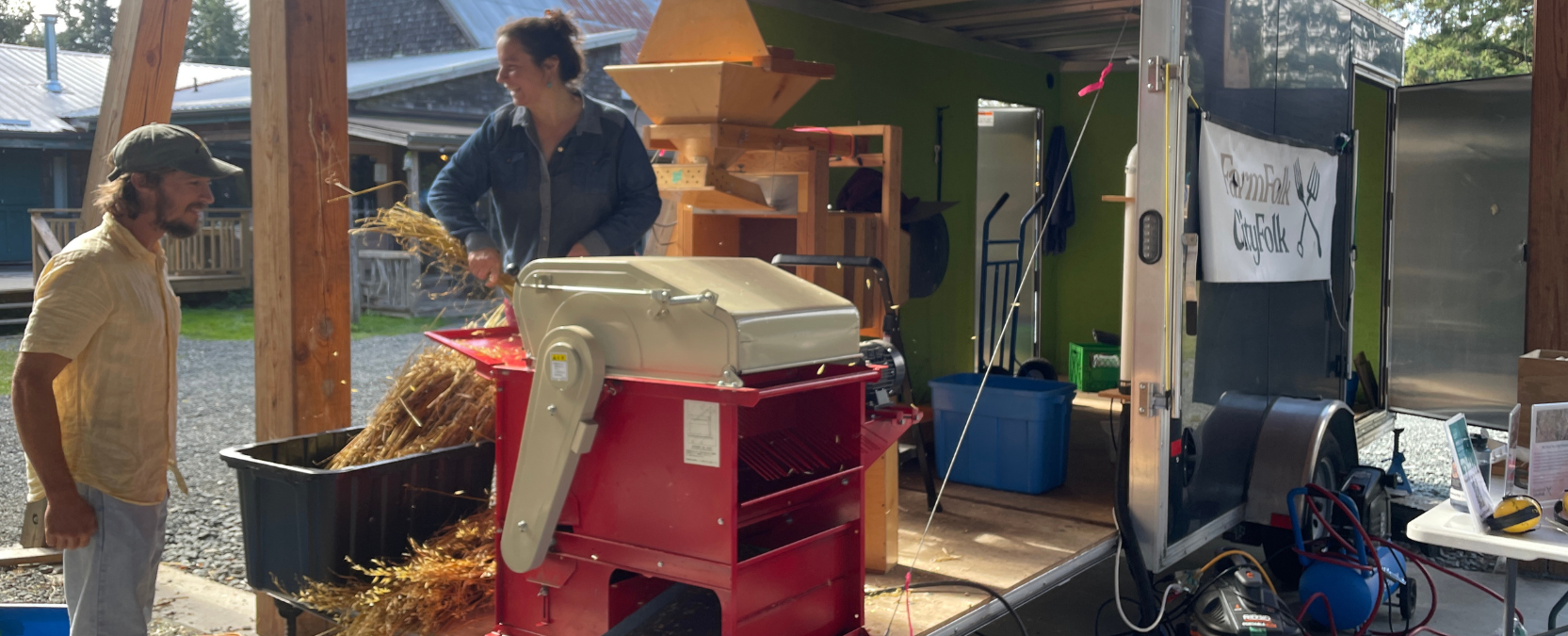
Participants brought a gas-powered thresher and grain grinder, and many young people joined in to learn about the process from harvest to flour. Together, we threshed grains, beans, and a variety of vegetable seeds.

Rhianna Nagel threshing oats

Our next stop was Stellar Raven Farm in the Comox/Royston area, where we enjoyed a mostly sunny day with members of the Comox Valley Seed Savers and Growers and the Comox Seed Bank.

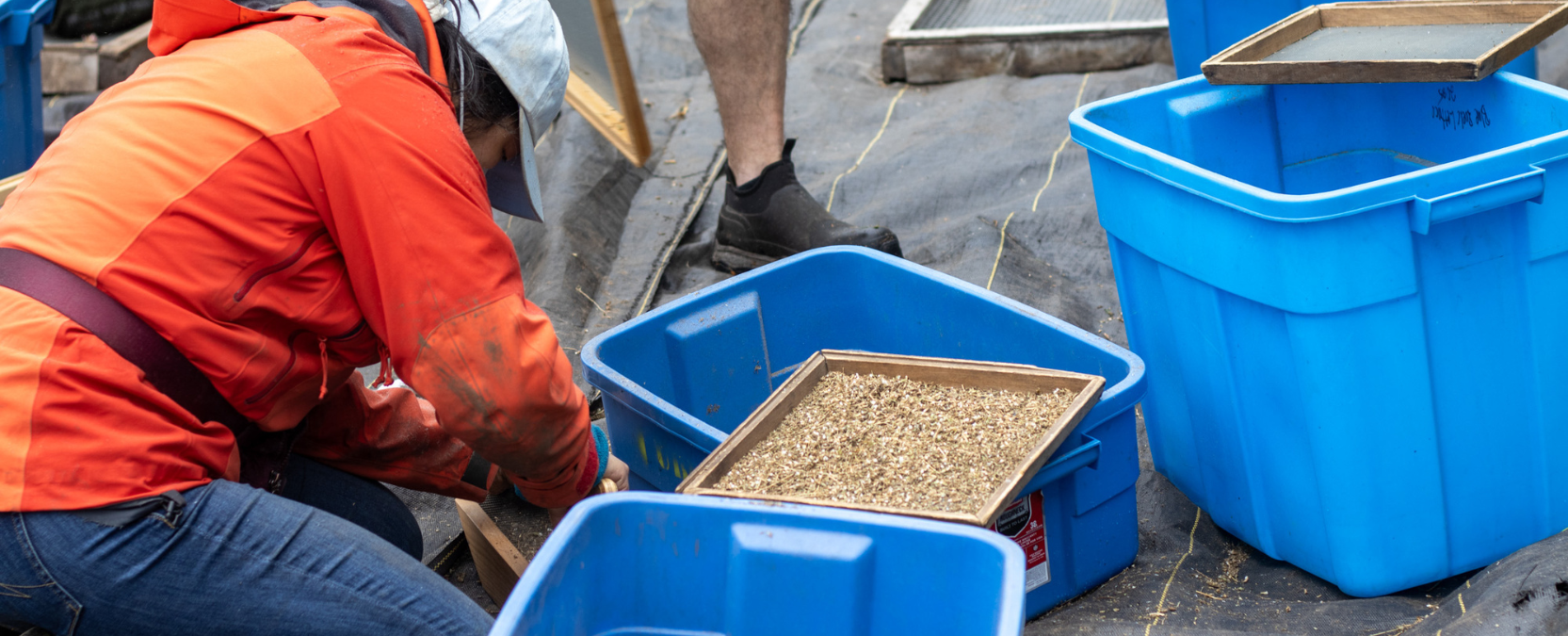
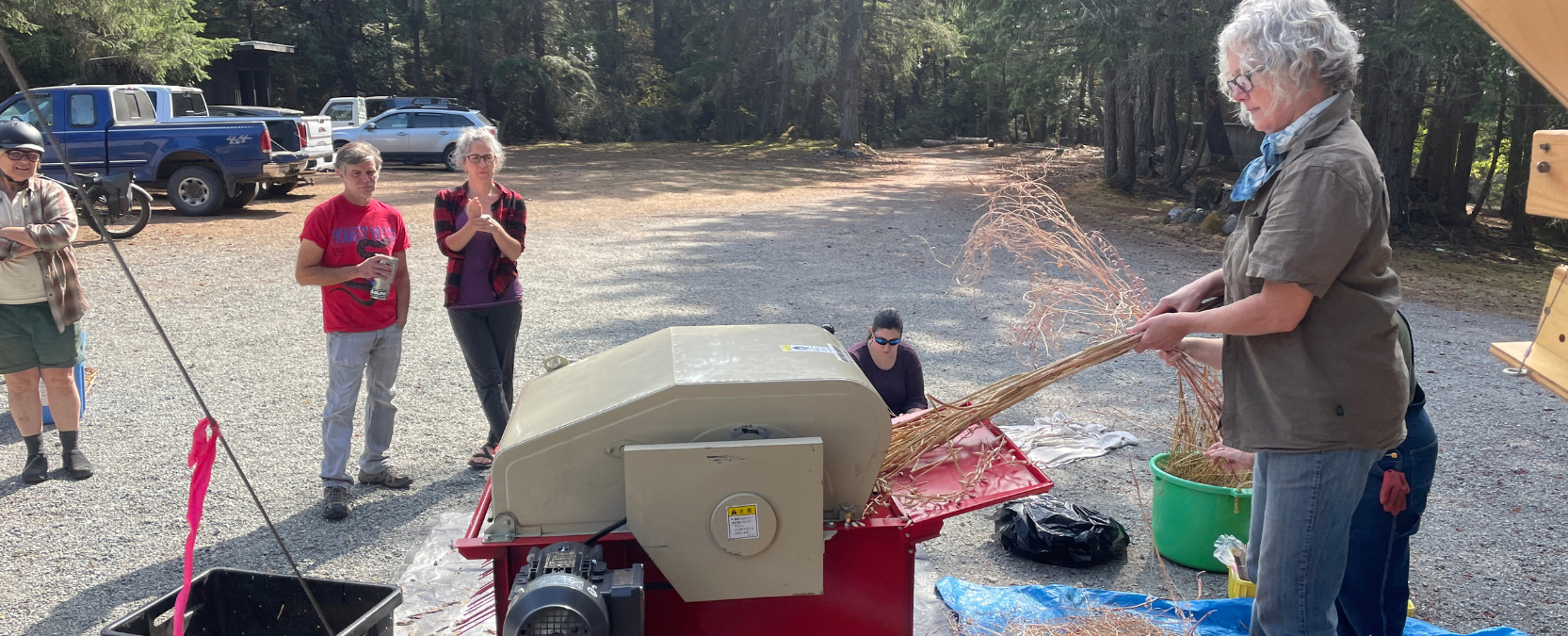
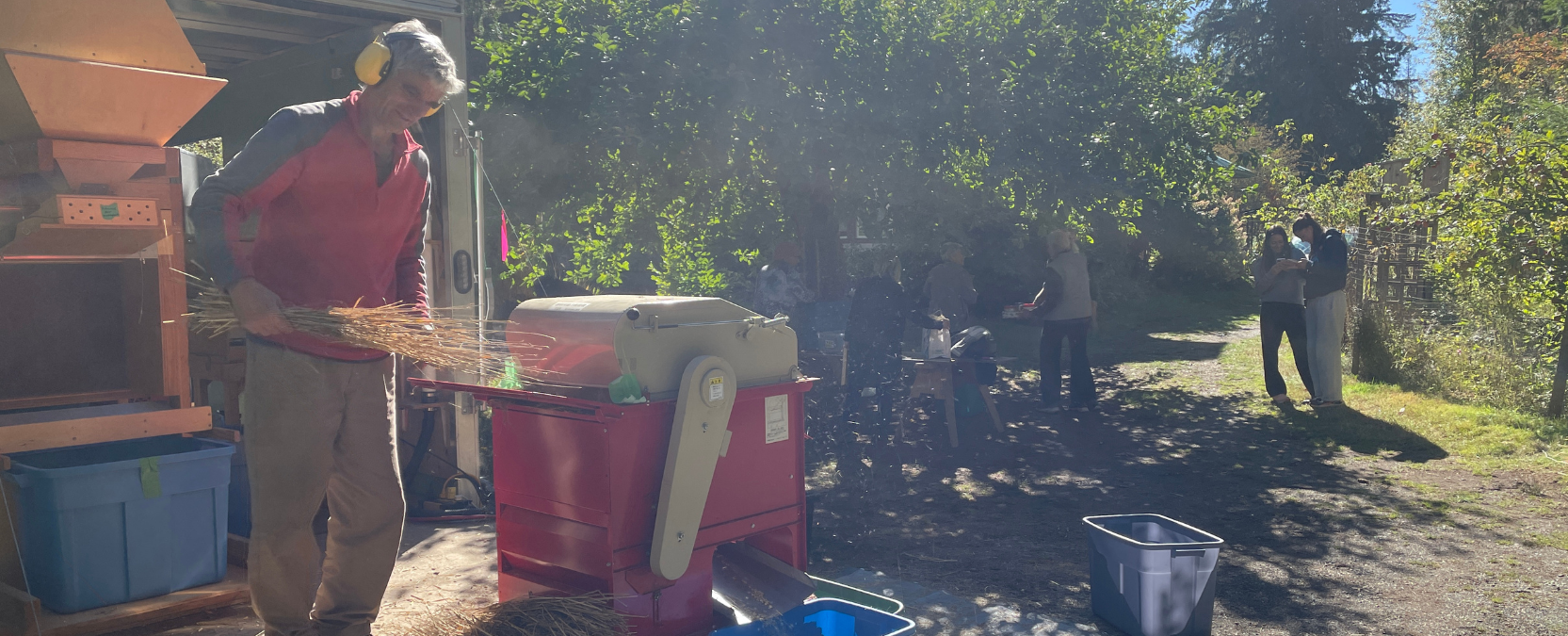
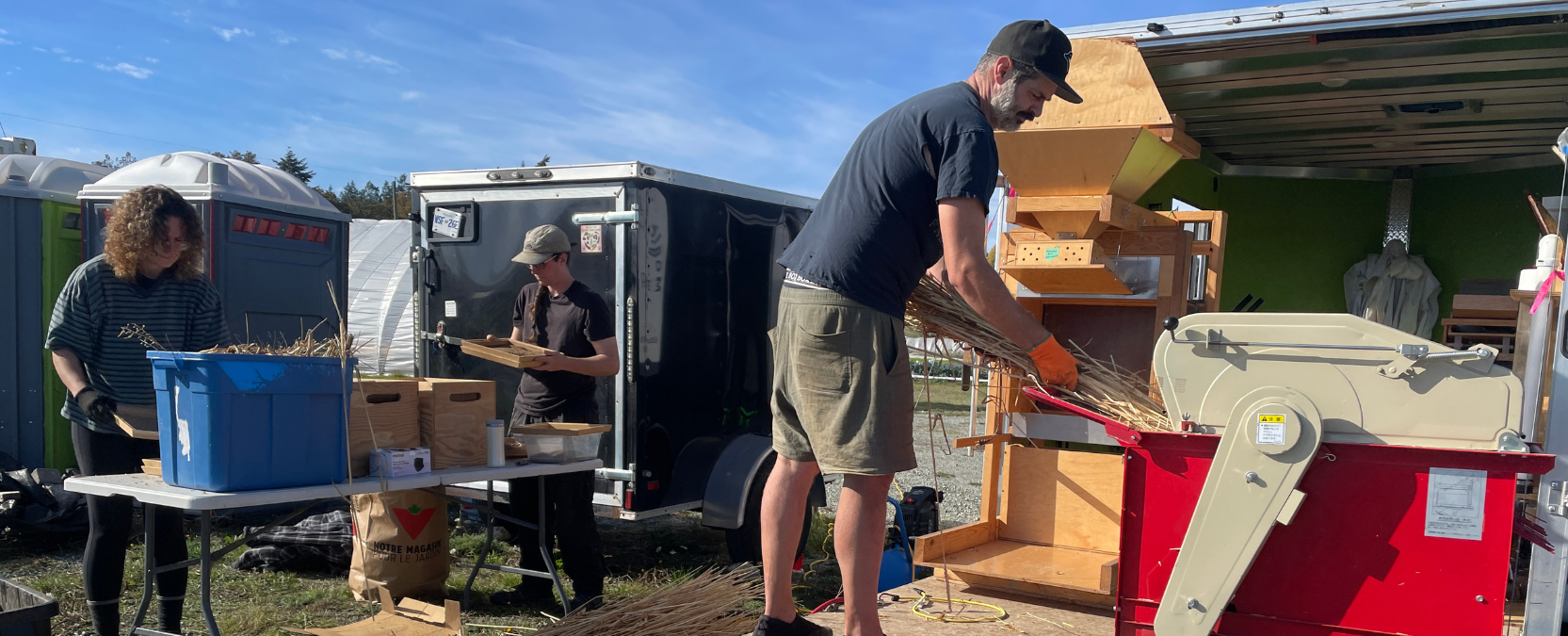
Participants used screens and an air column separator to clean smaller seeds, including native plants and flowers. We also put the thresher to work cleaning small grain lots.

At Stellar Raven Farm, Sylvain cleaned some small grain lots with our thresher.

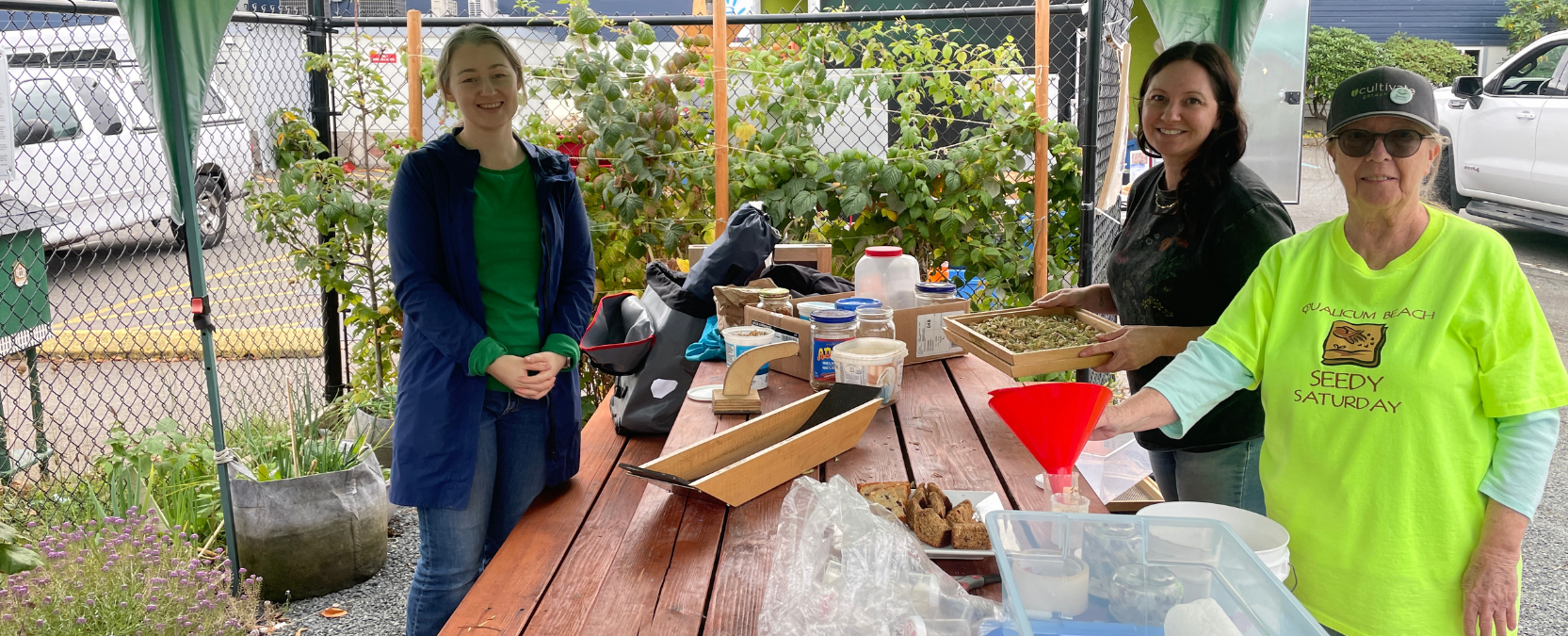
In Parksville, we returned to the MAC Community Garden with the folks from Qualicum Seedy Saturday. After a very rainy visit last year, we were grateful for better weather and the chance to clean even more seeds together!

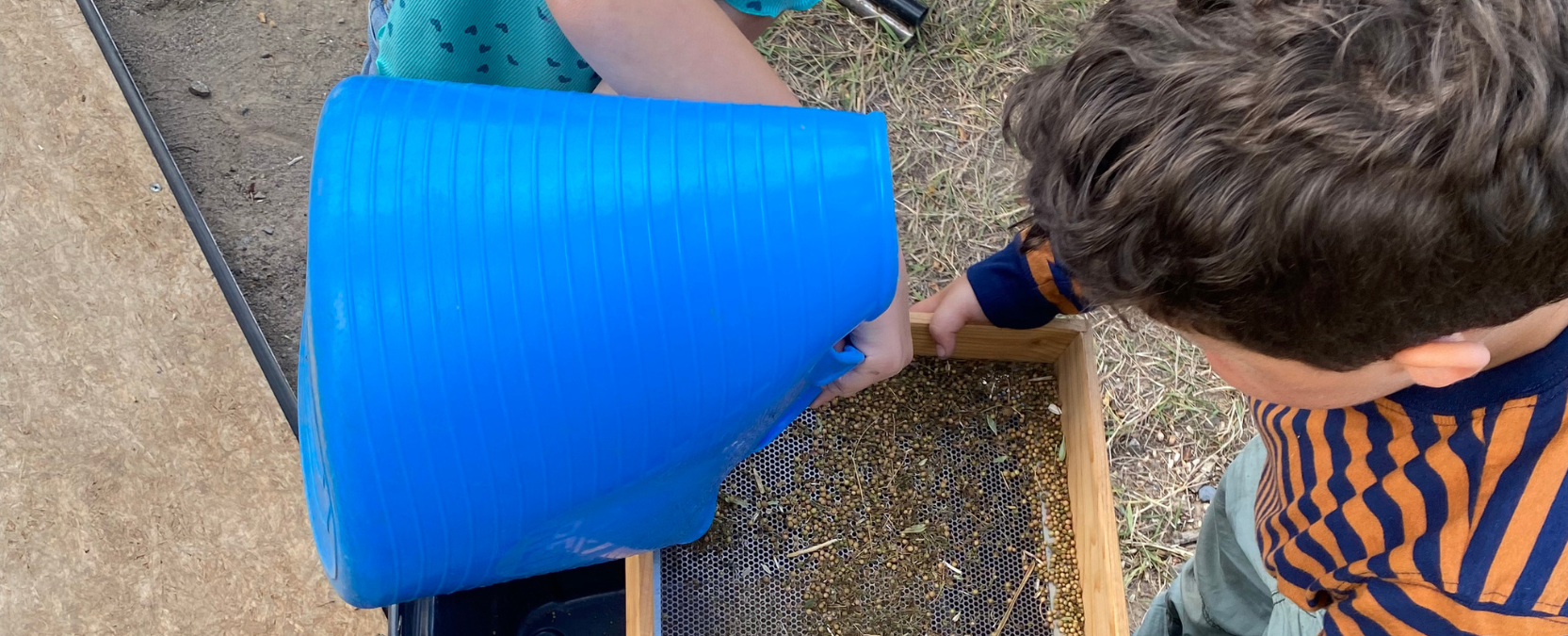
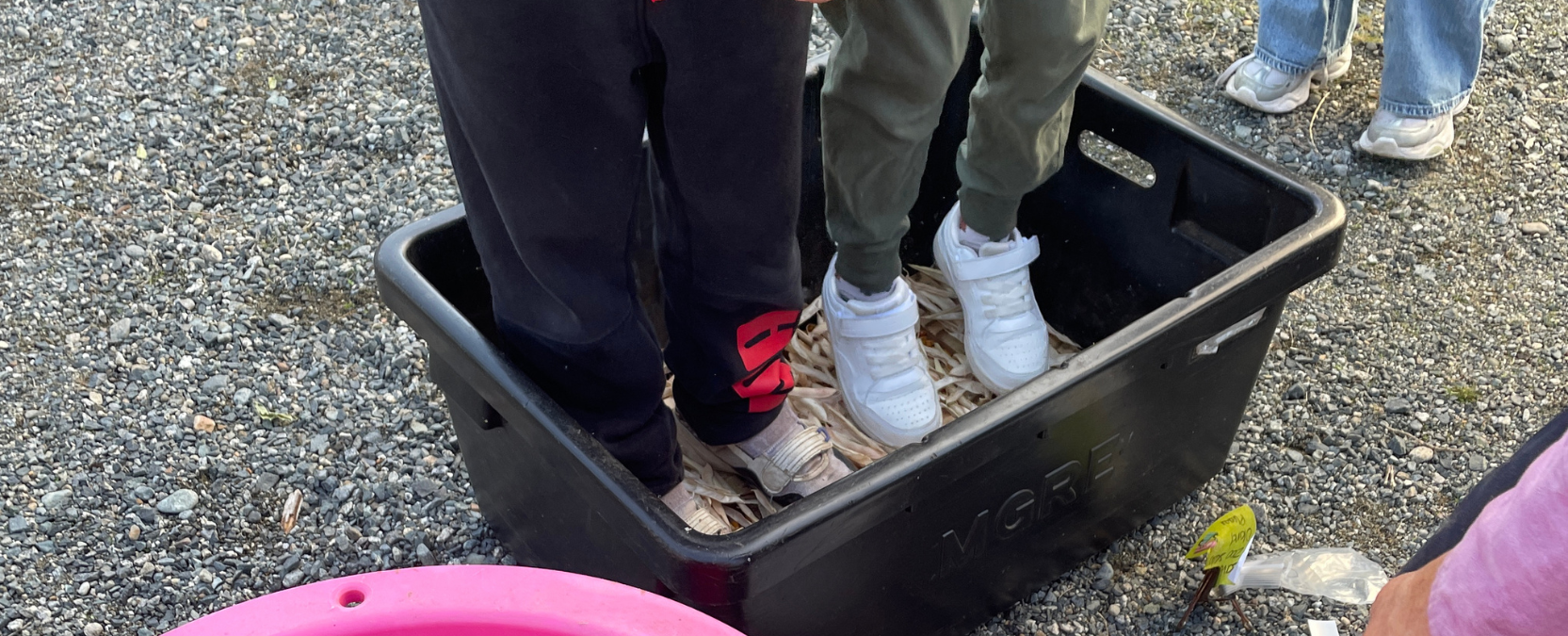
At Beban Community Garden in Nanaimo, a nearby Grade 3 class joined us with seeds from their school garden. The students had a great time stomping on beans, cleaning vegetables, and discovering how the seed cleaning equipment works.

These hands-on experiences are a wonderful way to introduce young people to seed saving and the importance of local seed systems.

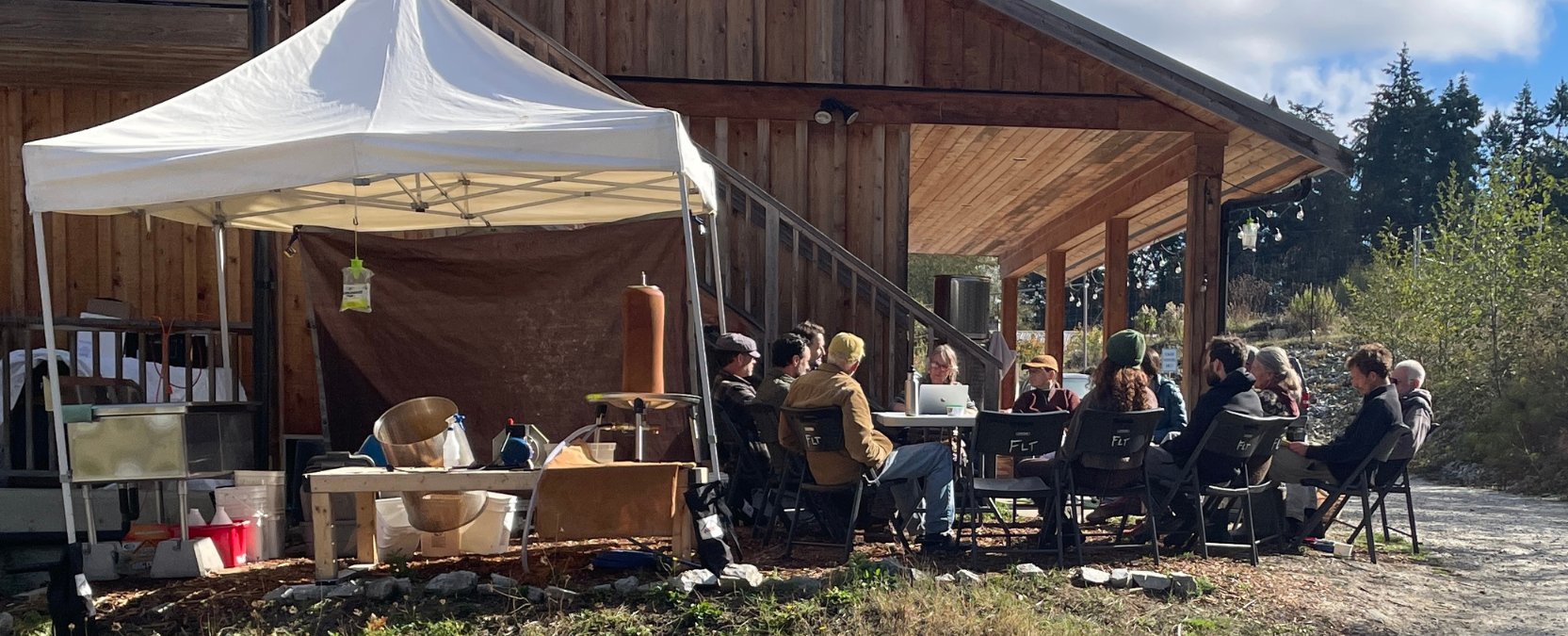
On Salt Spring Island, we left the trailer for an extended visit so local farmers could make use of the equipment. A community seed meeting also launched a new seed stewardship mentorship program, which we are excited to see develop.

In North Saanich, we gathered with local farmers to tackle some of the more challenging seeds to clean. The machines were whirring, feet were stomping, and screens were shaking as everyone worked together to finish before sunset.

Our final stop was Galiano Island in late October. Despite the chilly weather, we cleaned plenty of seeds for the Seed Library of Galiano.

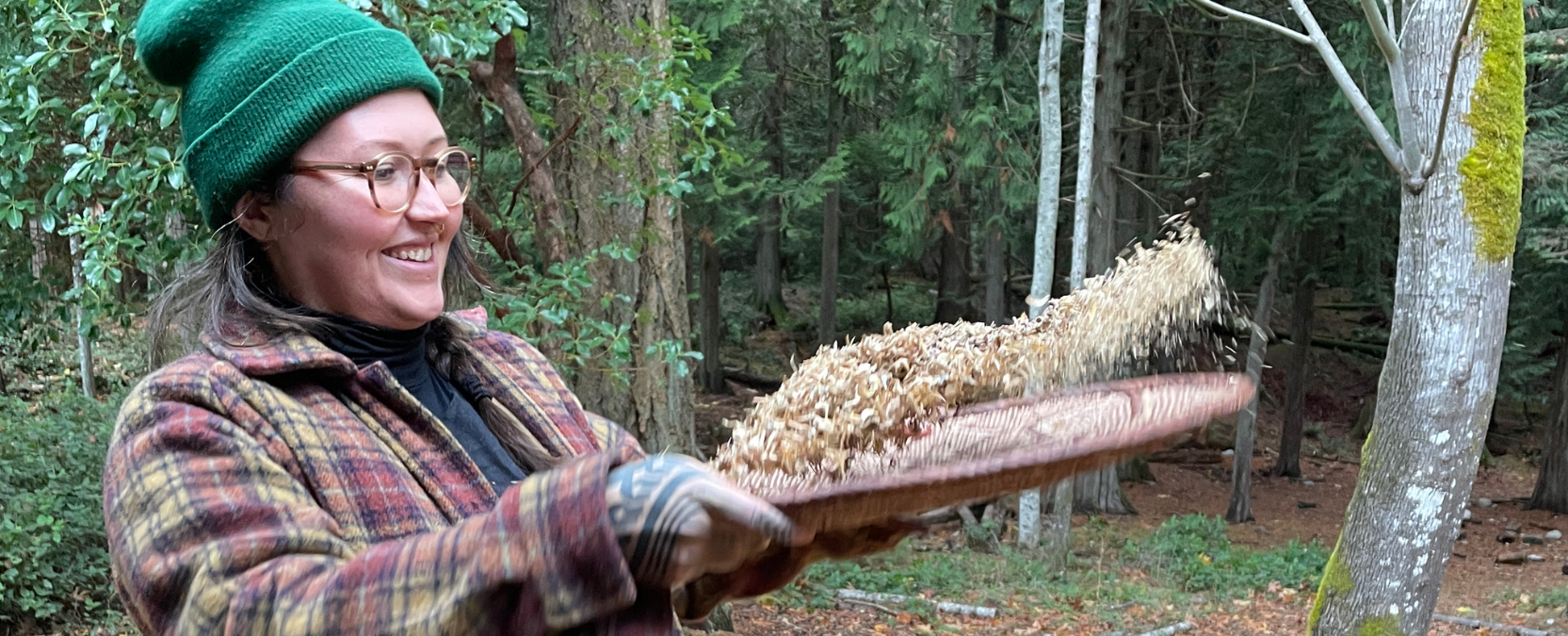
We even tried our hands at using a traditional winnowing basket, although we quickly discovered it might take a few more years of practice to perfect the technique!

Growing Stronger Seed Networks Together

After three tours and more than 30 stops, we returned home with plenty of cleaned seeds, new connections, and stories to share.

Every stop reminded us that seed saving is about much more than the seeds themselves. It’s about the people who grow them, the knowledge passed between generations, and the communities working together to build more resilient local food systems.

Thank you to everyone who welcomed our seed team, brought seeds to clean, shared their knowledge, and helped make this year’s tours possible. We look forward to seeing what grows from these connections in the seasons ahead!

The 2026 mobile seed cleaning tours were made possible with funding and support from the BC Ministry of Agriculture and Food through the Knowledge and Technology Transfer Program, the Victoria Foundation, TD Friends of the Environment Foundation, and the Real Estate Foundation of BC.